

If you live with back pain, you have probably wondered whether Pilates could help. This guide gives you a clear, beginner-friendly answer and shows you exactly where to start.
Can Pilates Help With Back Pain?
For many people, Pilates may help support a healthier back. The practice builds strength in the core and hips through low-impact, controlled movement, which can support better posture and alignment. Because Pilates emphasizes slow, deliberate movement rather than high-impact movement, it tends to feel approachable for sore or sensitive backs. That said, everybody is different, and results vary from person to person. What feels supportive for one member may feel different for another, so it helps to go in with realistic expectations and an open mind.
Why Reformer Pilates Suits a Sore Back
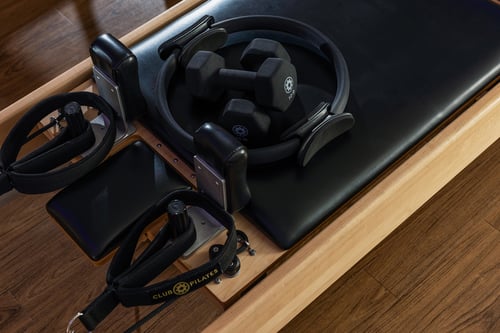
Reformer Pilates uses spring-based resistance instead of free weights or gravity alone. The springs can be adjusted to offer more or less support, which means the resistance can meet your body where it is on any given day. Because the Reformer carriage moves along a track, it also encourages a controlled, steady pace rather than quick or jarring motion. That slower rhythm gives you time to focus on form and breathing instead of rushing through reps.
This combination of adjustable support and controlled pacing is part of why many members with back discomfort find Reformer work approachable. Over time, the movements are designed to build strength through the core and hips, which are key muscle groups that support the lower back. Building that strength gradually is part of what makes the format feel sustainable for beginners.
What To Expect In Your First Club Pilates Class
A typical class moves through a sequence of exercises designed to flow from one to the next, building strength, mobility, and body awareness along the way. If you are new to Pilates or returning after time away, start with a Level 1 class. These entry-level classes are built to introduce the equipment, vocabulary, and basic movement patterns at a comfortable pace.
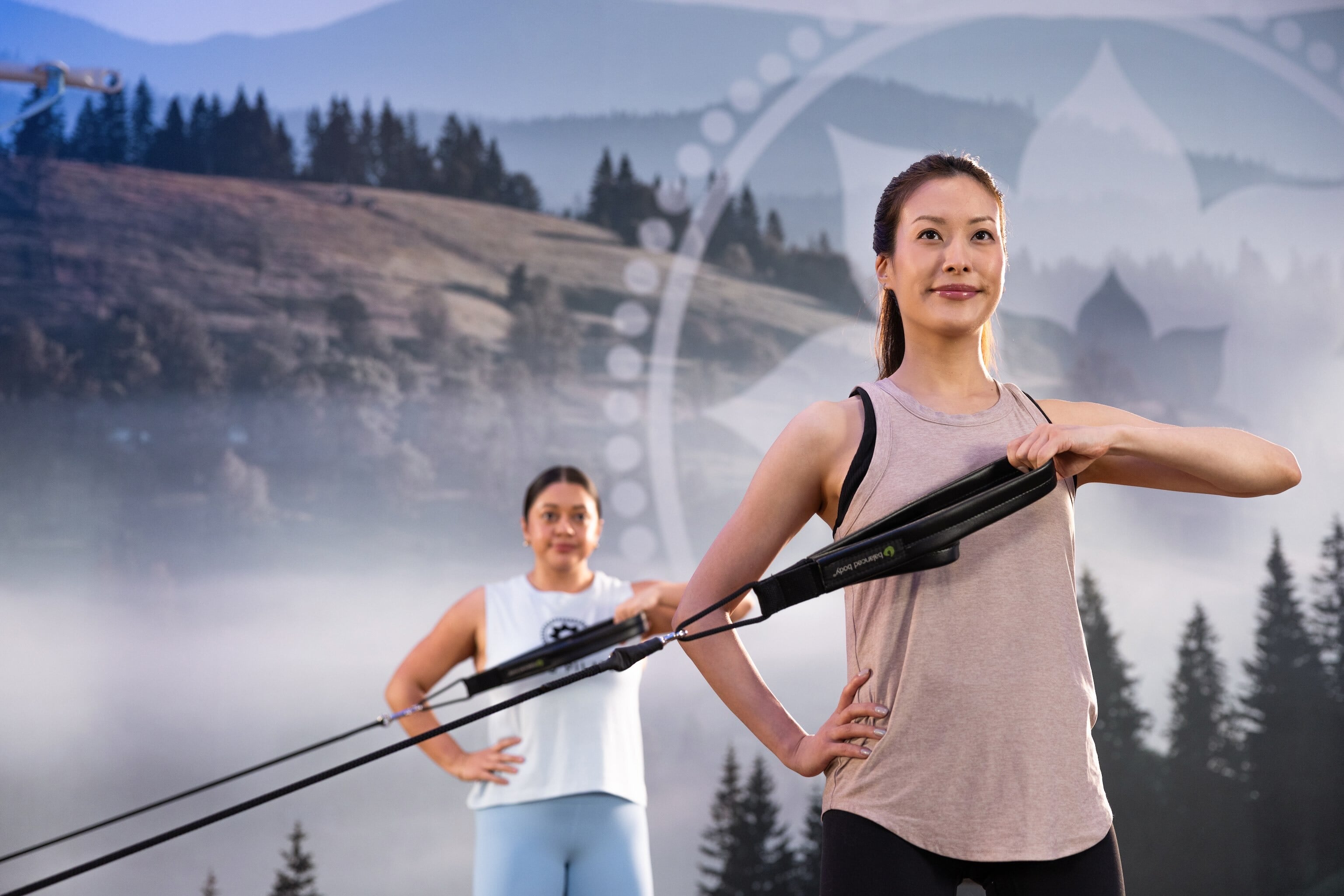
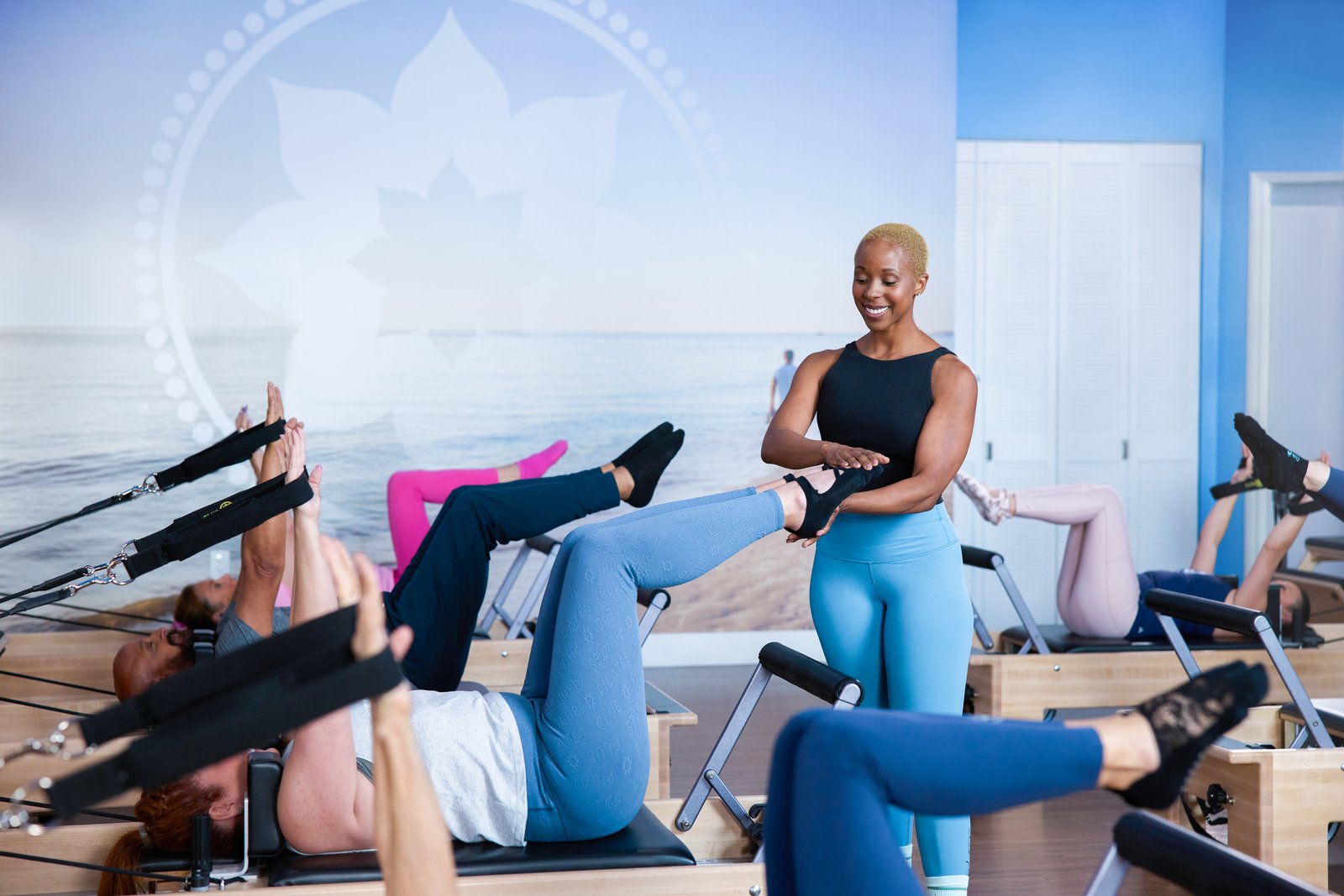
Instructors lead small group classes and are trained to offer modifications, so if a movement does not feel right for your back, you can expect guidance on an alternative that still works the same muscle groups. All you need to bring is comfortable clothing and grip socks. From there, your instructor will help you settle in and feel supported from your very first class.
What To Tell Your Instructor
Before class begins, take a moment to share a few details with your instructor so they can tailor their guidance to you.
- Where the pain is located
- Any diagnosis or past surgery related to your back
- Which movements feel uncomfortable or painful
- What tends to make the pain better or worse
This information helps your instructor offer modifications that fit your body, not a generic routine.
When To Check With Your Doctor First
Pilates can be a low-impact way to move your body, but it is not a substitute for medical care. Check with a doctor or physical therapist before starting if your pain is severe, new, or radiates down your leg. The same goes if you have had recent back surgery or have been diagnosed with a herniated disc. Getting clearance first helps you start safely.
Moves To Explore Next
Curious about specific exercises that target the lower back? Visit our pilates exercises for low back pain guide to see options you can explore as you build your practice.
Try A Free Intro Class
If you are ready to see how Pilates feels for your own back, book a free intro class at Club Pilates and experience it firsthand.
Frequently Asked Questions
Is Pilates good for back pain?
Pilates may help support a healthier back by building core and hip strength through low-impact movement. Many members find it a gentle way to stay active while managing discomfort.
Is Reformer Pilates safe if I have a bad back?
Reformer Pilates uses adjustable spring resistance and a controlled pace, which many people with back concerns find approachable. Still, talk with your instructor about your specific pain so they can modify movements for you.
How often should I do Pilates for back pain?
This depends on your body and your doctor's guidance, so there is no single right answer. Many members start with a class or two per week and adjust from there based on how their back responds.
Recent Articles: How Often Should You Do Pilates?, Is Pilates Good for Runners?, What’s the Difference Between Pilates and Barre?
- Tagged:
- injury recovery